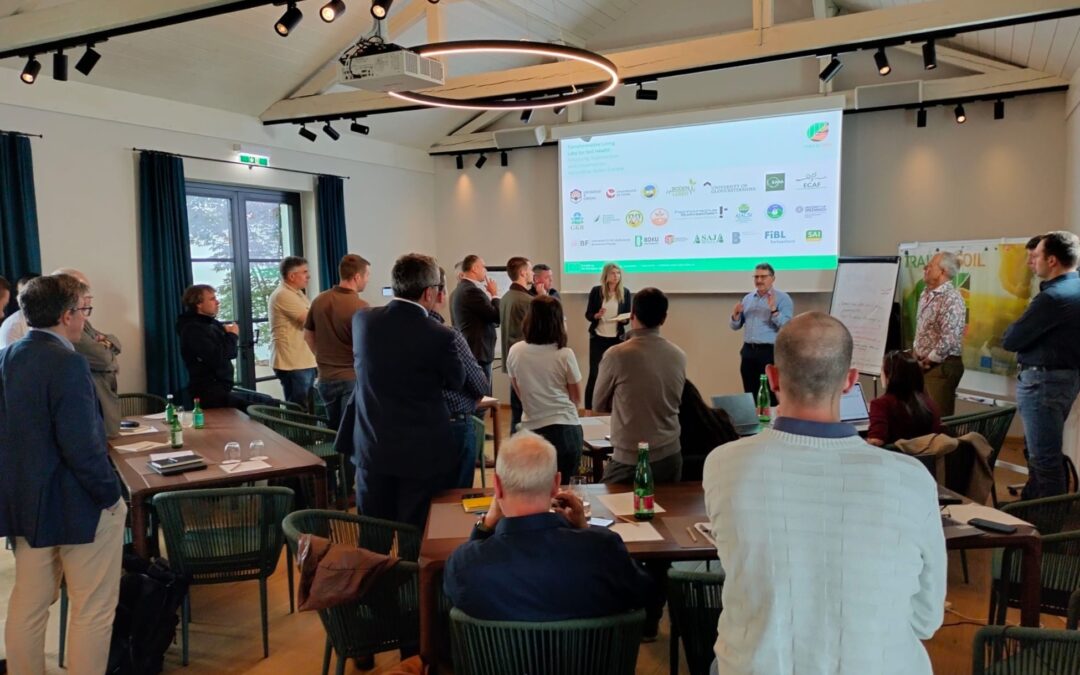
Partners from across Europe came together in Austria last week for the TRAILS4SOIL General Assembly, marking nearly one year since the project began. The two-day meeting provided an opportunity to reflect on progress to date and set priorities for the year ahead.
Discussions focused on key challenges facing the project, including how to measure regenerative and conservation agriculture practices, and how to harmonise soil health indicators across project requirements, the EU Mission Soil framework, and the practical realities of implementation within individual Living Labs. Living Lab leaders also shared their first-year achievements, alongside the specific challenges and opportunities shaping their work.
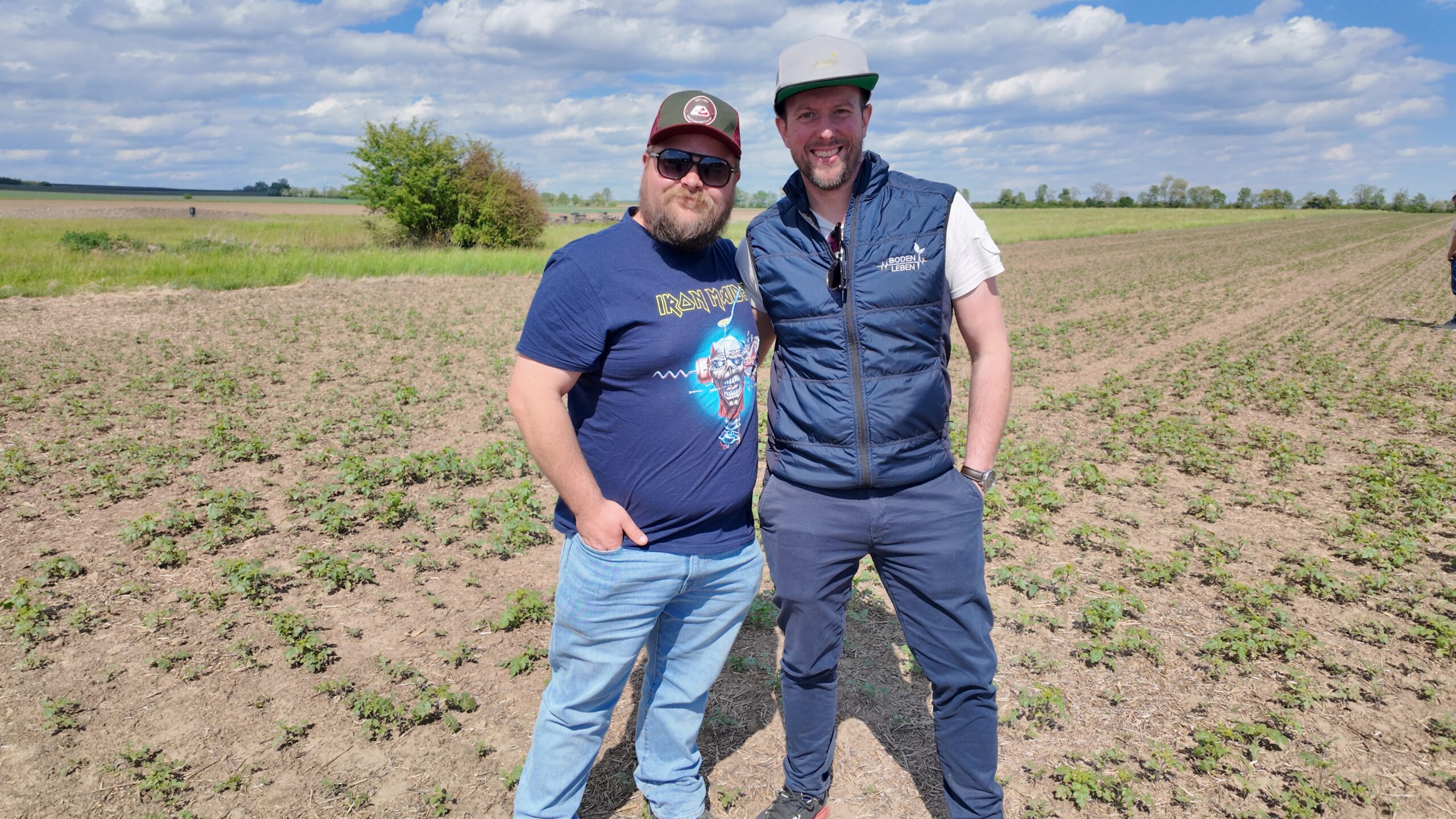
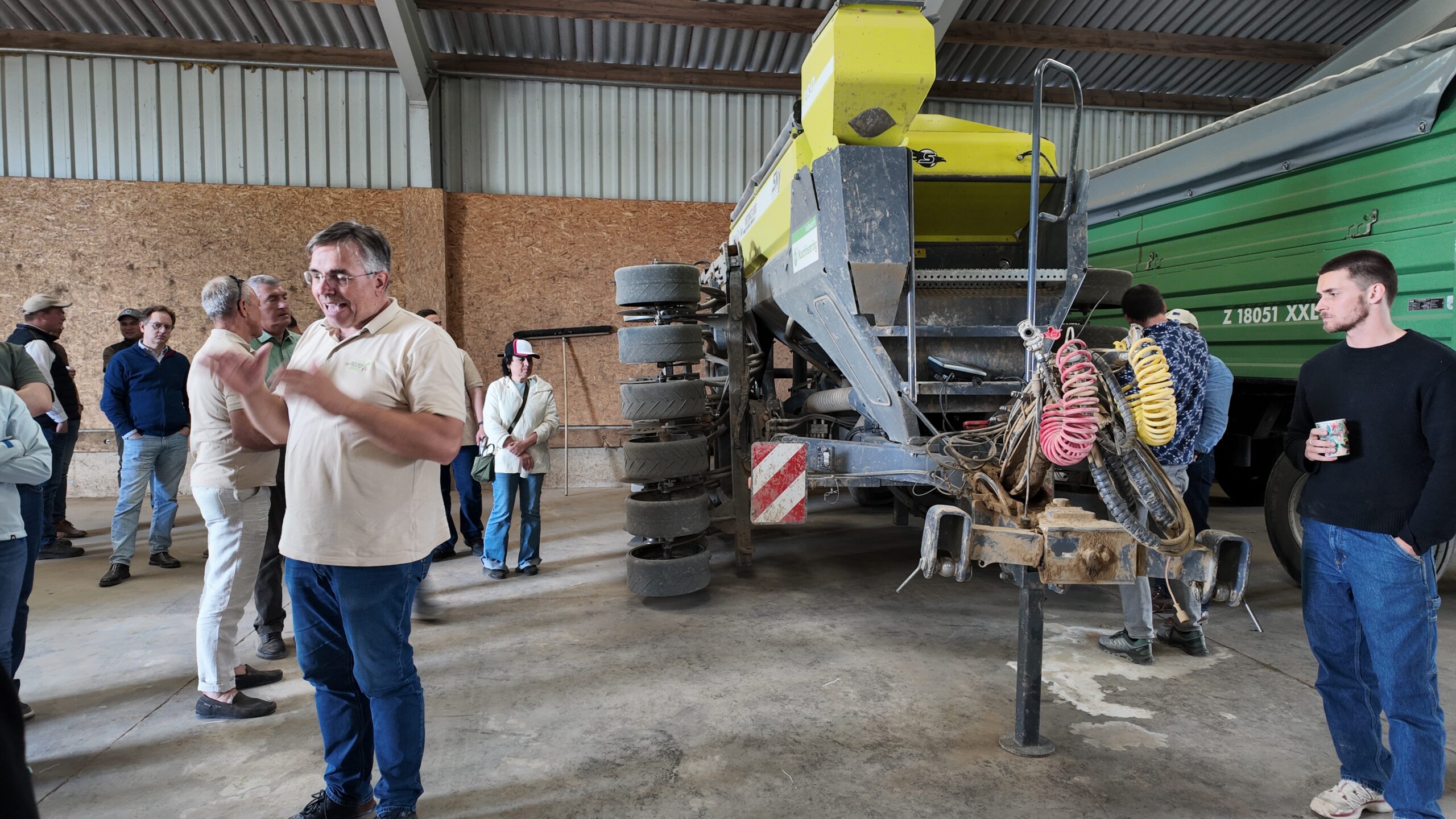
The Assembly took place against the backdrop of an intense regional drought, highlighting the urgency of the project’s aims. This was brought into sharp focus during a field visit to sites in Lower Austria, including those linked to Living Lab 2, which supports organic farming systems. Partners heard directly from farmers about the impacts of dry conditions on soil health and production.
At one site, farmer and project partner Hans Gnauer shared both successes and setbacks from his no-till system, including a mustard crop affected by drought, offering valuable lessons for the project. A soil health demonstration led by Gernot Bodner (BOKU) further deepened understanding of local soil conditions and processes.
The Assembly reinforced the importance of collaboration as TRAILS4SOIL works to strengthen methods for assessing regenerative and conservation practices, with the ultimate aim of supporting healthier soils and more resilient farming systems.